

Why Literacy and Numeracy Are a Priority in Australian Schools
By Pascal Press | October 24th, 2026 | Last Updated October 24th, 2026
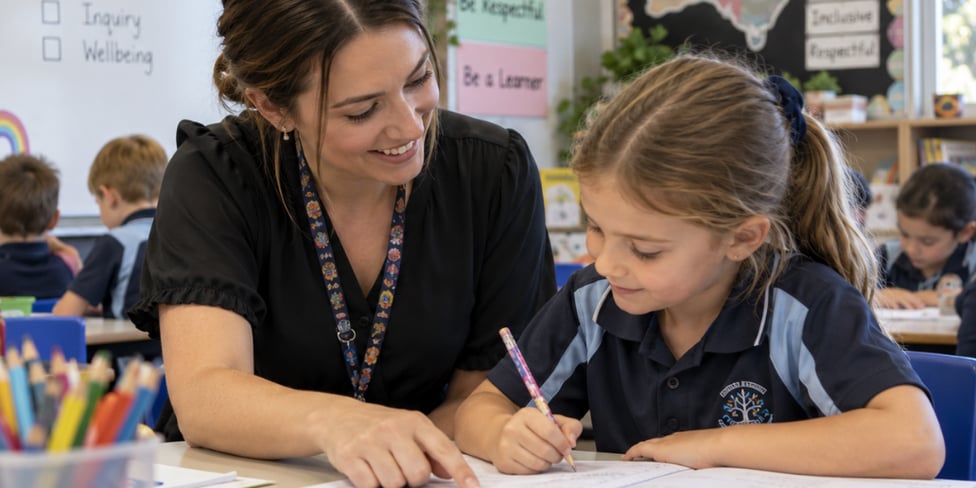
Australia's education priorities are placing renewed attention on the skills that matter most in the classroom: reading, writing and mathematics. With a growing focus on early literacy, numeracy development and evidence-based teaching, schools are working to help every student build stronger foundations for learning.
A Renewed Focus on the Basics
Literacy and numeracy are at the heart of every child's education. From understanding written instructions to solving everyday mathematical problems, these essential skills support learning across all subjects.
Across Australia, education initiatives continue to emphasise the importance of developing these foundational skills from the earliest years of schooling.
Recent national education discussions have highlighted the value of early literacy assessments, targeted numeracy support and teaching approaches informed by research.
The goal is simple: help students develop the skills and confidence they need to succeed throughout their education.
Why Early Literacy Matters
Learning to read is one of the most important milestones in a child's education.
Strong literacy skills allow students to understand new information, communicate their ideas and participate confidently in classroom activities.
One area receiving particular attention is phonics, which helps children understand the relationship between letters and sounds.
Early phonics assessments, including Year 1 phonics checks, can help teachers identify students who may need additional support with decoding and reading.
By identifying learning gaps early, schools can provide targeted instruction before difficulties become more challenging.
For parents, regular reading, practising letter sounds and encouraging children to explore books at home can help reinforce what they're learning in the classroom.
Building Confidence in Mathematics
Alongside literacy, numeracy remains a key priority for Australian schools.
Numeracy is about much more than solving equations. It involves understanding numbers, recognising patterns, measuring quantities and applying mathematical thinking to everyday situations.
Developing these skills early helps students approach more complex mathematical concepts with confidence as they progress through school.
Teachers are increasingly encouraged to use structured, evidence-informed approaches that help students understand mathematical concepts rather than simply memorising answers.
Consistent practice, clear explanations and opportunities to revisit important concepts can make a meaningful difference to a child's confidence and understanding.
The Importance of Evidence-Based Teaching
Another important focus in Australian education is the use of teaching methods supported by research.
Evidence-based teaching draws on educational research and classroom experience to identify approaches that help students learn effectively.
These approaches can include:
- Explicit instruction: Clearly explaining and demonstrating new concepts before students practise independently.
- Regular revision: Revisiting previously learned skills to strengthen understanding and retention.
- Targeted support: Identifying areas where students need extra assistance and providing appropriate learning activities.
- Ongoing assessment: Monitoring student progress to help teachers adjust their instruction.
Together, these strategies can help create more supportive and effective learning environments for students with different learning needs.
How Parents Can Support Learning at Home
While schools play a central role in developing literacy and numeracy, learning doesn't stop when the school day ends.
Parents can help reinforce classroom learning through simple, consistent activities at home.
Reading together, practising spelling, discussing everyday maths problems and completing short workbook activities can all provide valuable opportunities to build skills.
The key is consistency rather than lengthy study sessions.
Even 10–15 minutes of focused practice can be a manageable way to establish positive learning habits, reinforce important concepts and help children feel more confident in their abilities.
It's also important to recognise that every child learns at their own pace. Encouragement, patience and celebrating small achievements can help children develop a positive attitude towards learning.
Supporting Australian Students with Pascal Press
At Pascal Press, we've been supporting Australian students, parents and teachers for over 35 years.
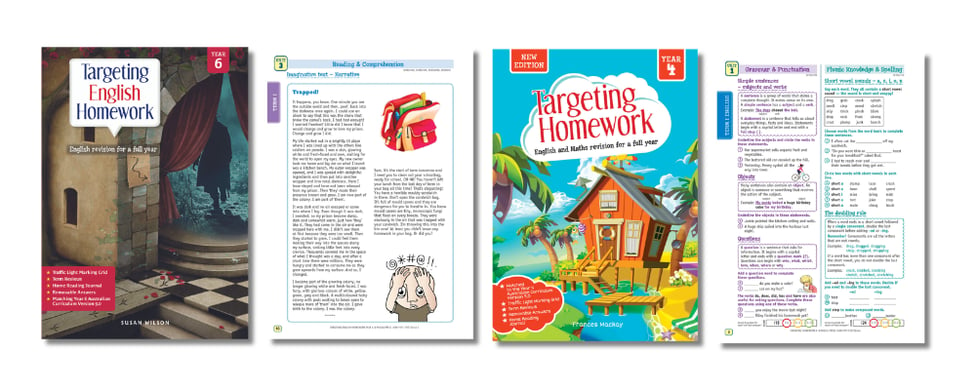
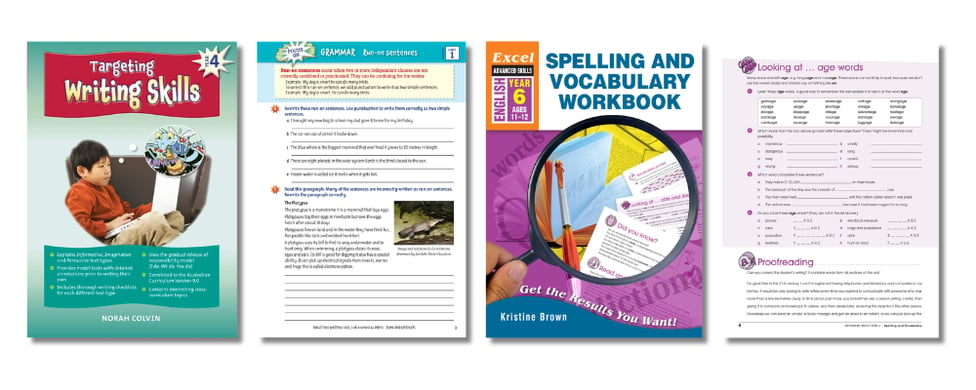
Our Excel and Targeting workbook ranges are developed by experienced educators to help students practise essential skills, reinforce classroom learning and build confidence.
From early literacy and numeracy through to primary and secondary school subjects, our educational resources provide opportunities for students to practise independently and strengthen their understanding at home.
Our Targeting range supports primary students with curriculum-focused activities, while our Excel workbooks offer additional practice across a wide range of subjects and year levels.
As Australian schools continue to prioritise strong foundations in literacy and numeracy, having access to practical, engaging learning resources can help families support their children's educational journey.
Pascal Press workbooks are available at major Australian retailers including Big W, Officeworks, and independent bookshops, as well as online at pascalpress.com.au.

